

Modern Zen and Buddhism
Join us for one or more events; scroll down or click this button, for list of current offers
Experience a better life.
As the speaker and facilitator, David B. Alexander brings his experience as a psychotherapist, consultant, partner, and parent, as well as integrating a lifelong practice and teaching of Zen meditation and Tai Chi Chuan.
David has studied Zen / Buddhism not just as an academic but has focused on experiential understanding of the important principles expounded in this teaching. Zen / Buddhism believes deeply in the inherent value and capability of each human being, and encourages us to make the efforts to achieve that great potential.

The various presentations and discussions about Zen / Buddhism are dedicated to making clear the principles for a better life, with more joy and less suffering through a profound and subtle teaching
These events are enriching, safe opportunities for learning. After 50 years of Zen practice with leading masters, as well as learning from the lessons of life, David B. Alexander presents and discusses the meaning of this ancient teaching for each of us. Zen and Buddhism are the study of, and the connection with, our true selves.

After presentations, there is always time for questions and answers as well as discussion.
Note: if any attendee does not wish to join in a discussion, but prefers to observe and absorb, that preference will be respected.
Events take place online via Zoom, and may in the future also take place in Long Island or Manhattan at announced addresses.
Webinars can be joined via ordinary phone, but for a full experience use of a computer will allow observing other attendees and those who are speaking. Attendees who do not wish to be seen can disable their video. Except when they are about to speak, attendees should mute their microphones so as to hear the webinar discussion and avoid adding background sounds.
"I thought the the webinar was outstanding. Although I have some familiarity with the concepts of nonviolent communication, I felt that the webinar greatly expanded my knowledge in this area and gave me useful information and techniques that I can apply to improve my relationships with my family and friends."
Ken Z.
The amount of information was terrific, dialogue was great. I wouldn't change anything. I thought meeting everyone was wonderful and having the dialogue. I am interested in attending more webinars.
Karen C.
Perfect. Very Comfortable interaction. A professional presentation. I liked listening to your personal experiences and those of others.
Michele F.
I thought it was very effective and constructive. I enjoyed the candor of presenters and openness to discuss concerns and clarify.
Karen S.
"I thought the the webinar was outstanding. Although I have some familiarity with the concepts of nonviolent communication, I felt that the webinar greatly expanded my knowledge in this area and gave me useful information and techniques that I can apply to improve my relationships with my family and friends."
Ken Z.
The amount of information was terrific, dialogue was great. I wouldn't change anything. I thought meeting everyone was wonderful and having the dialogue. I am interested in attending more webinars.
Karen C.
Perfect. Very Comfortable interaction. A professional presentation. I liked listening to your personal experiences and those of others.
Michele F.
I thought it was very effective and constructive. I enjoyed the candor of presenters and openness to discuss concerns and clarify.
Karen S.
Upcoming Zen and Buddhism Events
To register for an event click "Buy now", or click the "Add" button for shopping cart to join more than one event

This live, online series combines insights and practical daily life expression using effective, powerful, and empathic communication.
Through engaging presentations and discussion, participants explore ways to find more peace and fulfillment, communicate more clearly, and handle connection as well as potential conflicts or complex situations more skillfully, leading to a more enjoyable experience of life.
The series includes these sessions, one per month, each on a Saturday. The series cost drops as each webinar in the series passes by. The time for each is from 11am to 1pm Eastern time (UTC -4 and UTC -5):
- (past) Being a Leader, Being Led, and "Power With" - September 26 - leadership through authenticity and inspiration
- (past) Communication for Parents and Children of All Ages - October 10 - overcome the limitations of stereotypical family relations
- Enjoying the Difficult Conversation and Making Things Better - November 14 - enjoy the peak experiences of relating
-
Expressing Yourself and Overcoming Inner Conflict - December 12 - centering yourself and leaving inner conflict behind
About David
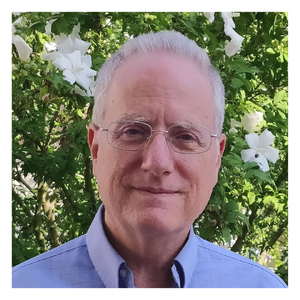
David B. Alexander teaches effective and enjoyable communication to individuals and couples, as well as to executives and business owners, so that they can thrive in the social and working world in which we all live. A primary focus for his communication work is an approach called Nonviolent Communication, or "NVC". He also has a lifelong practice and teaching of Zen and Tai Chi Chuan.
NVC emphasizes authenticity in communication, but authenticity based on an empathetic understanding of self and others. NVC expression can be loud or quiet, diplomatic or direct, but is always intended to benefit all parties who are involved.
As a licensed psychotherapist, David also finds value in gestalt therapy principles, existential therapy, and modern psychoanalytic understanding. These are all approaches towards awakening for a fulfilling life.
In addition to psychotherapy work, he has been practicing Zen since the age of 20 and Tai Chi Chuan since the age of 25, and has been teaching since the early 1990s.
From David: I enjoy working as a therapist and coach with thoughtful individuals and couples from all walks of life. Psychotherapy sessions are available online across New York State, and in person in Roslyn Heights, NY; leadership support is available anywhere English is spoken. A free 20-minute consultation is available for those curious about working together. All inquiries are confidential.
For topics of communication, well-being, spiritual life, purpose, and success check this blog, or live online talks also on these topics. You can check out those resources, and sign up for the newsletter.
This live, online series combines insights and practical daily life expression using effective, powerful, and empathic communication.
Through engaging presentations and discussion, participants explo…
Not Able to Attend Any of These Dates?
Join our email list to get updates with new articles and events
“David is a superbly gifted Organizational Therapist who is able to help guide entrepreneurs in growing their businesses while navigating the highly unpredictable environment that we find ourselves in.
Unlike many psychotherapists he has a long-established track record of working and advising in the real world, which allows him to help his clients deal with real world problem solving. If you have an established business which is coping with a changing times, or an entrepreneur looking to unlock growth and opportunities I would highly recommend David as a consultant.”

Michael Pinto
Entrepreneurial Product Designer and CEO of Very Memorable
“I had both the privilege and good fortune to first connect with David in 2019. In retaining his services, I found him to be highly professional, insightful, authentic, patient, and kind. I greatly appreciated his direct approach, thoughtful consideration, and engaging manner.
As it turns out, the feedback and insight he provided me turned out to be absolutely spot on, over the course of time. It is a pleasure to recommend David as a pragmatic, discerning, and intuitive counselor, therapist, and leader.”

Eben Wilson
Founder and CEO, Exaio Systems
“David recently did a presentation on non-violent communication on behalf of one of my clients, an HR firm. To say that he hit it out of the ballpark would be an understatement. He was engaging, used real-world scenarios and examples and provided the attendees with actionable take-aways to help them navigate the sometimes-tricky world of intergenerational workplace communication.
David is genuine and empathetic. Even during a brief training, his message resonated with this audience of business owners, HR managers and C-suite executives. We received extremely positive feedback from the attendees and highly recommend David for consulting and training in this area.”

Theresa Jacobellis
President, PrescRXptive Communications, LLC
“David is a superbly gifted Organizational Therapist who is able to help guide entrepreneurs in growing their businesses while navigating the highly unpredictable environment that we find ourselves in.
Unlike many psychotherapists he has a long-established track record of working and advising in the real world, which allows him to help his clients deal with real world problem solving. If you have an established business which is coping with a changing times, or an entrepreneur looking to unlock growth and opportunities I would highly recommend David as a consultant.”
Michael Pinto
Entrepreneurial Product Designer and CEO of Very Memorable
“I had both the privilege and good fortune to first connect with David in 2019. In retaining his services, I found him to be highly professional, insightful, authentic, patient, and kind. I greatly appreciated his direct approach, thoughtful consideration, and engaging manner.
As it turns out, the feedback and insight he provided me turned out to be absolutely spot on, over the course of time. It is a pleasure to recommend David as a pragmatic, discerning, and intuitive counselor, therapist, and leader.”
Eben Wilson
Founder and CEO, Exaio Systems
“David recently did a presentation on non-violent communication on behalf of one of my clients, an HR firm. To say that he hit it out of the ballpark would be an understatement. He was engaging, used real-world scenarios and examples and provided the attendees with actionable take-aways to help them navigate the sometimes-tricky world of intergenerational workplace communication.
David is genuine and empathetic. Even during a brief training, his message resonated with this audience of business owners, HR managers and C-suite executives. We received extremely positive feedback from the attendees and highly recommend David for consulting and training in this area.”
Theresa Jacobellis
President, PrescRXptive Communications, LLC